
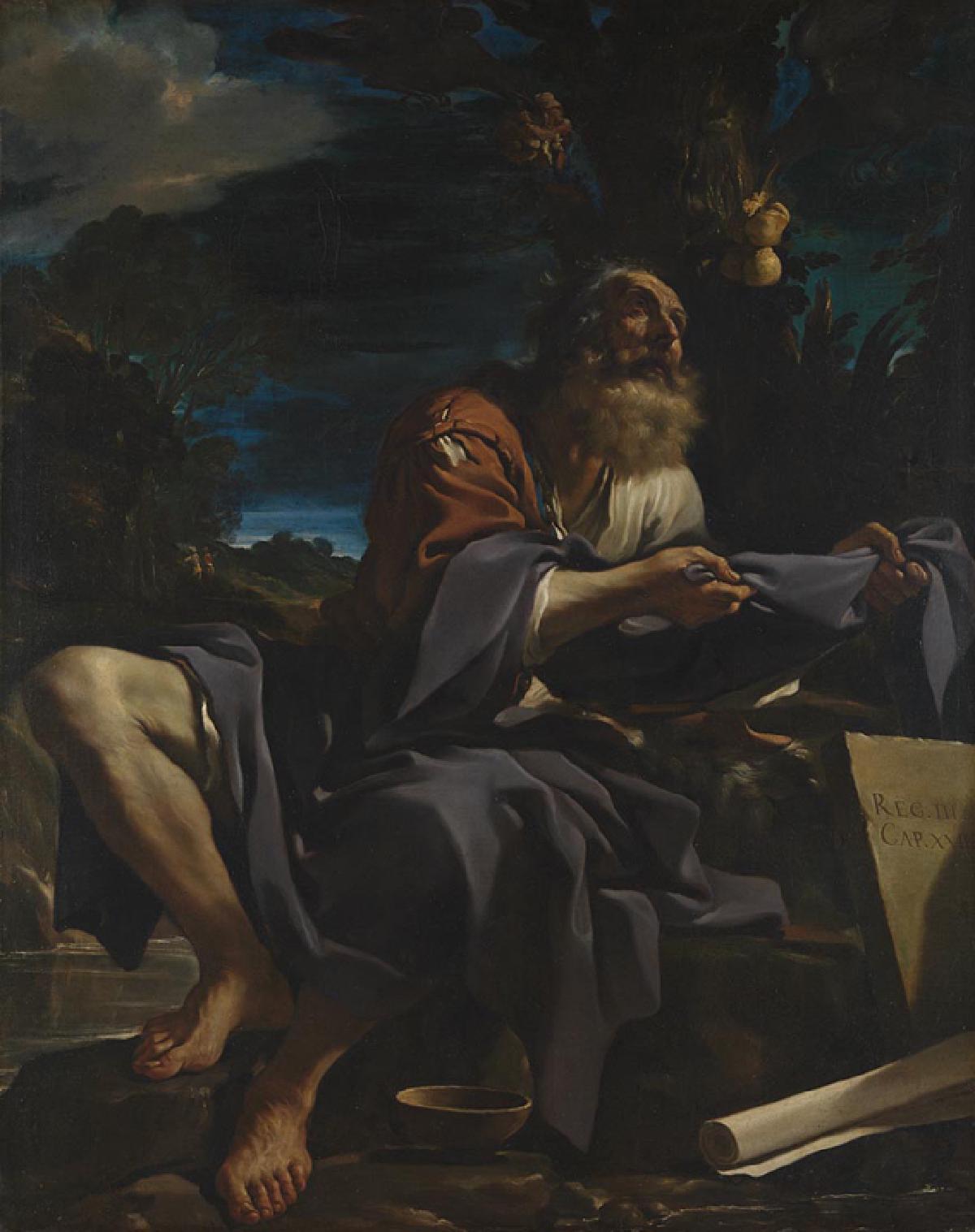
It isn’t a beautiful sound. Nothing measured or dignified about it — just a raw, insistent noise thrown into the air because something is hungry and has no other way to say so. Easy to miss. Easier to ignore.
Scripture doesn’t ignore it.
Psalm 147 names it specifically: God feeding the animals, and among them, the young ravens, crying out, and being fed (Psalm 147:9). Not the eagle. Not anything commanding or photogenic. A young raven — noisy, unglamorous, inconveniently hungry — calling into open air with no obvious audience, and the psalm insists the cry gets heard.
Jesus takes the image further in Luke 12. He tells his listeners to consider the ravens directly: they don’t plant, they don’t store, they don’t manage the kind of security most people spend their lives building — and God feeds them anyway (Luke 12:24). Then comes the conclusion he’s actually after: how much more valuable are you than a bird?
That comparison isn’t floating free. It sits in the middle of Jesus addressing anxiety — worry being, then as now, less a question about the future than a question about whether anyone is actually paying attention. The raven’s cry is offered as counter-evidence. Attention was never the missing piece.
What’s remarkable is that Jesus doesn’t leave this as rhetoric. He demonstrates it. Twice. In front of crowds large enough that the logistics should have been paralyzing.
Five loaves and two fish become enough for five thousand people, with twelve baskets of food left over (Matthew 14:13-21). Not sufficient — abundant. The kind of surplus that isn’t explained by careful portioning or fortunate circumstance. Then, not long after, seven loaves feed four thousand, with seven baskets remaining (Matthew 15:32-39). Two demonstrations, two different crowds, two different numbers of baskets — both remembered precisely by the men who counted them.
Which makes what happens next genuinely astonishing.
The disciples get in a boat and start worrying because they forgot to bring bread (Mark 8:14). These are the same men who personally distributed the loaves, personally collected the baskets, personally watched the arithmetic refuse to work the way arithmetic is supposed to work — twice — and the anxiety showed up anyway, as if none of it had happened. Jesus doesn’t comfort them. He asks whether they still don’t understand, then makes them recite the numbers back to him: twelve baskets, then seven (Mark 8:19-21). He essentially quizzes them on proof they had personally verified.
They passed the quiz. They still didn’t get the point.
This is the part Scripture doesn’t let you smooth over. The problem was never a shortage of evidence. The disciples had more direct proof of divine provision than most people will accumulate in a lifetime, and they got in a boat and worried about lunch. The anxiety was not a reasonable response to an ambiguous situation. It was a suppression event — the evidence present, registered, accurately recalled, and functionally unavailable for the moment that actually required it.
The raven has no such problem. It cries, it gets heard, it gets fed. It does not get into a boat afterward and wonder whether the arrangement will hold.
Which is, if you’re being honest, a little embarrassing.
None of this makes the hunger disappear or the boat feel less precarious. What it does is locate the actual problem — which was never the loaves, never the baskets, never the open water. The cry was always going to get heard. That was never in question. The question was always whether the people with twelve baskets of evidence were going to operate like men who knew what they’d counted, or whether they were going to worry about lunch anyway.
The ravens, apparently, have this figured out.
This space intends to keep reading Scripture the way Jesus read it back to his disciples in that boat: not smoothing it into comfort, not letting the evidence disappear into abstraction, but making you recite the numbers until the gap between what you know and how you’re living becomes impossible to ignore.
That gap is where the real questions live.