The Man Who Kept Arriving Second #
Nobody asked her.
That’s the first thing worth noticing about Judges 13, and almost nobody notices it, because we’re conditioned to read annunciation scenes as good news being delivered rather than as assignments being handed out. An angel shows up in a field where a woman is standing alone, tells her she’s going to have a son, and then — without pausing for a response — specifies what she will eat for the next nine months, what will never touch the boy’s head, and what he will spend his life doing.
She does not agree to any of this. She isn’t offered the chance. The angel states it and goes.
The Woman Without a Name #
She is never named. Across the entire chapter she’s “the woman” and “Manoah’s wife,” and she is the only person in it who consistently understands what’s happening.
The angel comes to her first (13:3). Not to her husband, who has a name, a tribe, and a house. To her, in a field, while she’s barren and presumably not expecting visitors.
The message is specific: she’ll conceive and bear a son, no razor will touch his head, he’s a Nazirite to God from the womb, and — this is the part that gets read past — “he shall begin to deliver Israel out of the hand of the Philistines” (13:5).
Begin.
Not deliver. Begin to deliver. The commission arrives with its own ceiling built in. Before this child is conceived, it has already been established that he will not finish the thing he’s being sent to do. Whatever else Samson’s life turns out to be, it was never going to be a completed assignment, and God says so first.
The Vow That Started Before He Did #
There’s a second detail in the angel’s instructions that changes what this chapter is doing.
The dietary restrictions aren’t only for the boy. They’re for her: no wine, no strong drink, nothing unclean (13:4). She’s placed under Nazirite constraints during the pregnancy — which means the vow begins operating on a person who did not take it, on behalf of a person who does not yet exist.
A Nazirite vow, as Numbers 6 lays it out, was ordinarily voluntary and temporary. You chose it. You set a term. You completed it and were released. Three restrictions: no wine or grape products, no contact with a corpse, no razor on the head.
Samson gets all three, permanently, from conception, without ever having a vote. And his mother gets a portion of them handed to her by a stranger in a field before she’d told anyone she was pregnant, because she wasn’t yet.
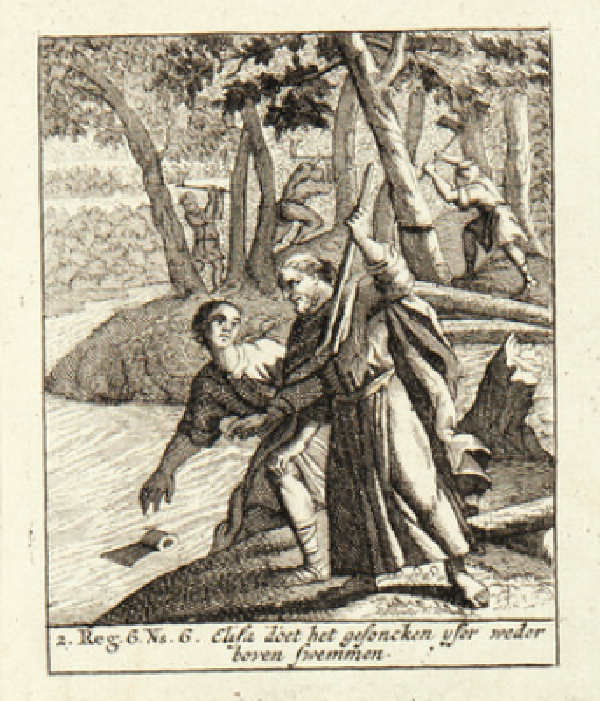
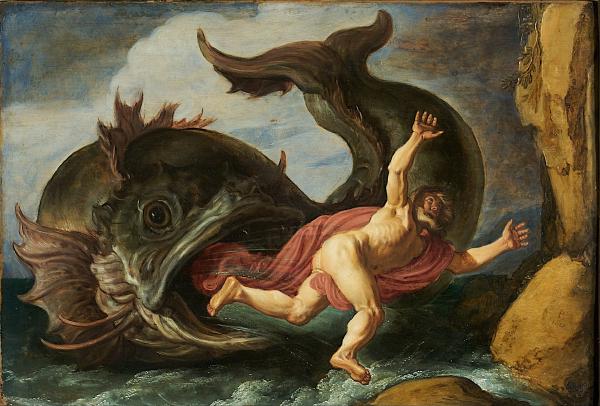
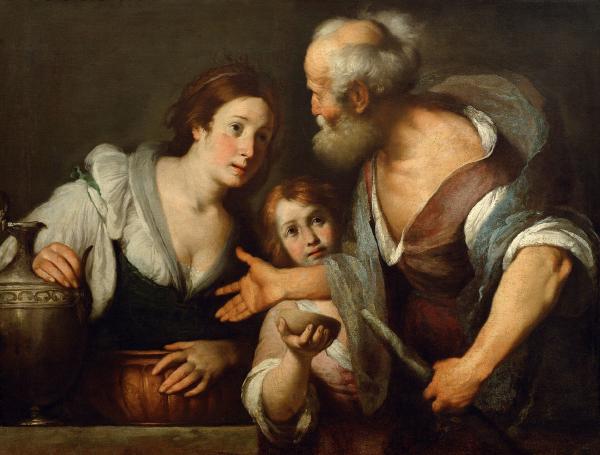
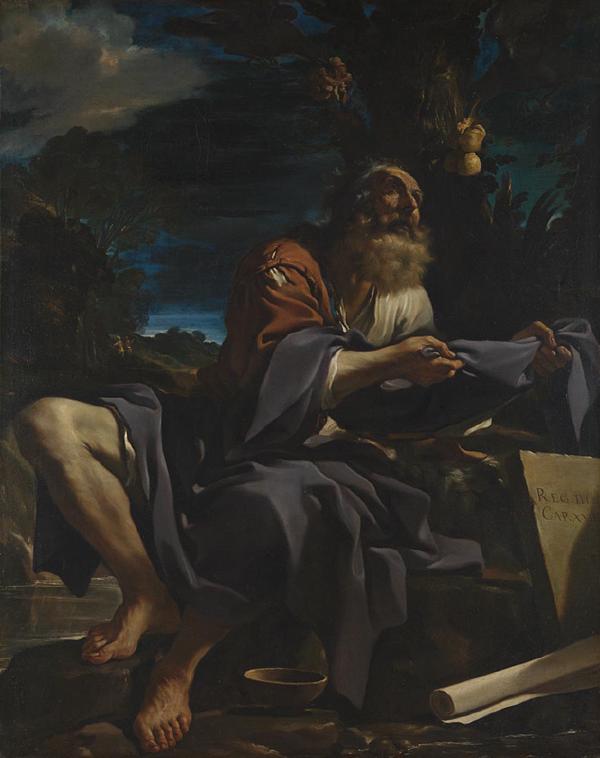
This is the same category of thing running through Scripture everywhere you look. Ravens get ordered to carry bread to a brook and do it. A jar of flour gets assigned a quantity and produces exactly that, repeatedly, for months. A fish, a plant, a worm, and a wind each get a specific commission in the book of Jonah and execute it precisely. Nothing in God’s toolkit is ever consulted beforehand.
The difference here — and it is the whole difference, and it will take three more chapters to detonate — is that this appointed instrument is going to grow up and have opinions.
Manoah Requests a Second Meeting #
Here’s where the chapter gets quietly funny, and it’s doing it deliberately.
The woman goes and tells her husband what happened. She reports it accurately and completely, including the detail that the man’s appearance was “like the appearance of an angel of God, very awesome” (13:6). She’s not confused about what she saw.
Manoah prays. His request: send the man of God back again, “that he may teach us what we shall do with the child that shall be born” (13:8).
Which is a reasonable ask, except that she already told him. The instructions were complete. Nothing about the commission was withheld. Manoah is essentially requesting a second briefing because he wasn’t at the first one.
God grants it. The angel comes back.
To her. In the field. Again. While Manoah is somewhere else (13:9).
She has to run and get him.
By the time Manoah arrives, the angel has been standing there waiting — and Manoah’s opening question is whether this is the man who spoke to his wife. It is. So Manoah asks his question: when this comes true, what’s the procedure for the boy?
The angel’s answer is, essentially, I already told her. “Of all that I said unto the woman let her beware” (13:13). The instructions get repeated, unchanged, with nothing added. Manoah got his second meeting and received precisely the same information his wife had already given him.
The Name Question #
Manoah makes one more attempt to get something the first conversation didn’t produce. He offers hospitality, offers a goat, and then asks for a name: “What is thy name, that when thy sayings come to pass we may do thee honour?” (13:17).
The answer is one of the strangest lines in Judges: “Why askest thou thus after my name, seeing it is secret?” (13:18).
The Hebrew word there is pil’i — the same root behind “wonderful,” the word used for things beyond comprehension, things that can’t be grasped. Some translations render it “wonderful,” some “incomprehensible,” some leave it as “secret.” All of them are pointing at the same idea: you are not going to be given this.
So Manoah offers the goat on a rock instead. The flame goes up, and the angel goes up in it, and Manoah and his wife fall on their faces (13:20).
The credentials were never provided. The assignment was.
The Most Sensible Person in the Chapter #
Manoah’s reaction to all of this is immediate and confident: “We shall surely die, because we have seen God” (13:22).
His wife’s response is the most clear-eyed piece of reasoning in the chapter, and it’s worth reading slowly.
“If the LORD were pleased to kill us, he would not have received a burnt offering and a meat offering at our hands, neither would he have shewed us all these things, nor would as at this time have told us such things as these” (13:23).
Three arguments, in order. He accepted the offering. He showed us all this. He told us what’s coming. Men who are about to be killed don’t get briefed on their son’s future career.
She’s right. They don’t die. The child is born.
And the unnamed woman has now, twice in one chapter, been the one who received the message directly and the one who correctly interpreted what it meant — while her husband, who has the name and the lineage and the recorded prayers, spends the whole chapter catching up.
Everything in This Chapter Is a Beginning #
The last two verses do something unusual. “And the woman bare a son, and called his name Samson: and the child grew, and the LORD blessed him. And the Spirit of the LORD began to move him at times” (13:24-25).
Began.
The same word-sense as the commission itself — he shall begin to deliver Israel. Nothing in this chapter is finished. The vow started before the man existed. The deliverance has a ceiling announced in advance. The Spirit begins to move him, at times, intermittently, in a place called Mahaneh-dan between two towns nobody remembers.
And then the chapter ends, and Samson has not yet done a single thing. He has not spoken. He has not chosen anything. Every promise about him has been made, every restriction placed, every limit defined — all of it settled before he had any say in it, all of it recorded before he made one decision of his own.
That’s what makes the next three chapters possible.
Because the first words Samson actually speaks, when he finally speaks, are not about Israel or the Philistines or the commission announced before his conception.
They’re about what he wants.